
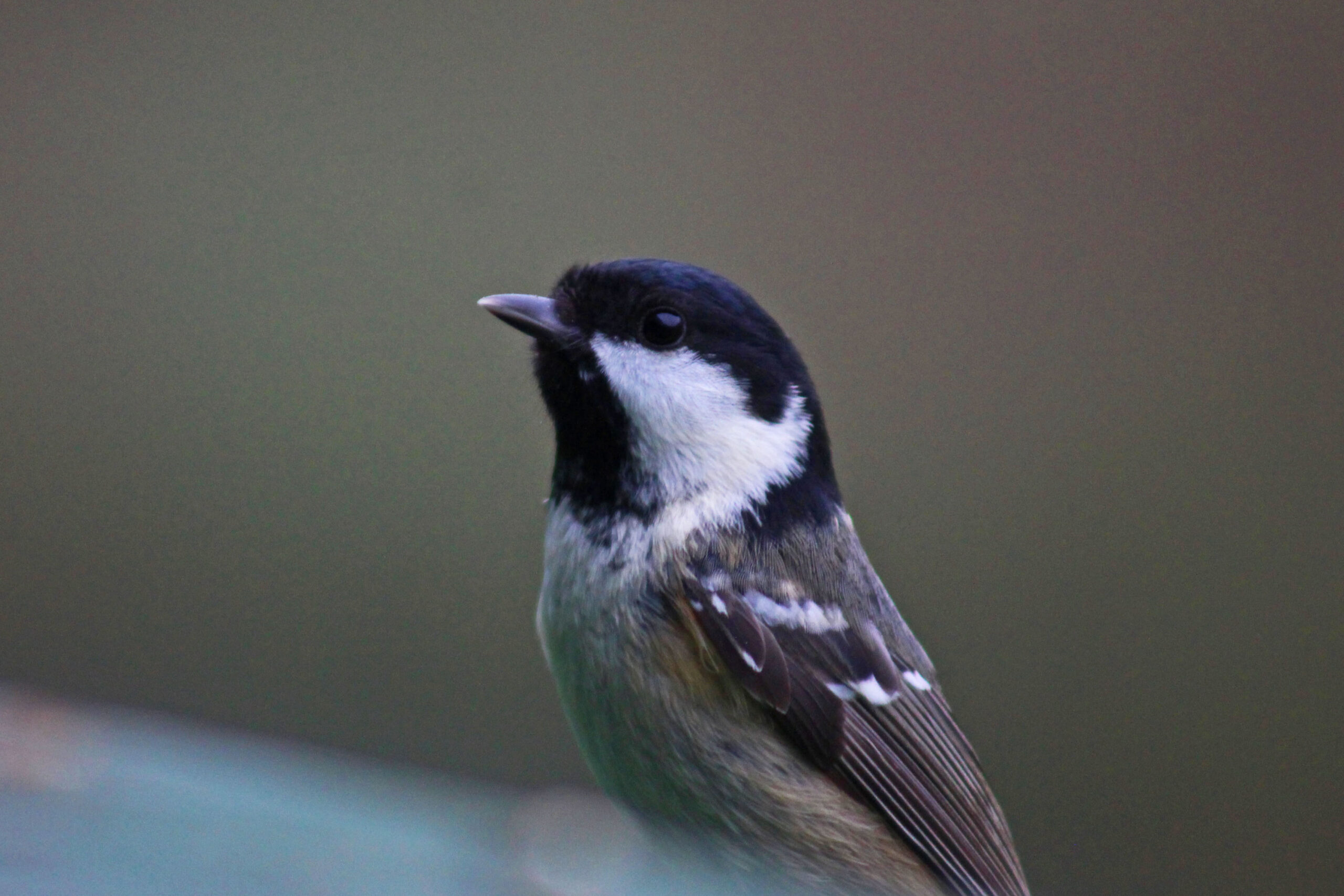
Make Your Garden a Winter Wildlife Haven
Winter is one of the hardest times of year for wildlife. Food sources become more scarce, temperatures drop and shelter becomes difficult to find. The good news is that even small gardens, balconies or shared green spaces can make a big difference. With a few thoughtful choices, your garden can become a vital refuge through the cold months for wildlife here in the UK.
Let Your Garden Be a Little Wild
A tidy garden might look neat, but an untidy garden is often full of life. The human tendency to keep our gardens orderly and neat has left wildlife at a loss.
How to help:
- Leave leaf piles in quiet corners for insects and small mammals
- Keep seed heads on plants like teasel, sunflowers and grasses to feed birds
- Delay cutting back plants until spring
- Stack logs or branches to create a simple log pile for beetles, frogs and hedgehogs
- Leave ivy growing, it provides cover and late season nectar to many moth species

(Molly Ashton)
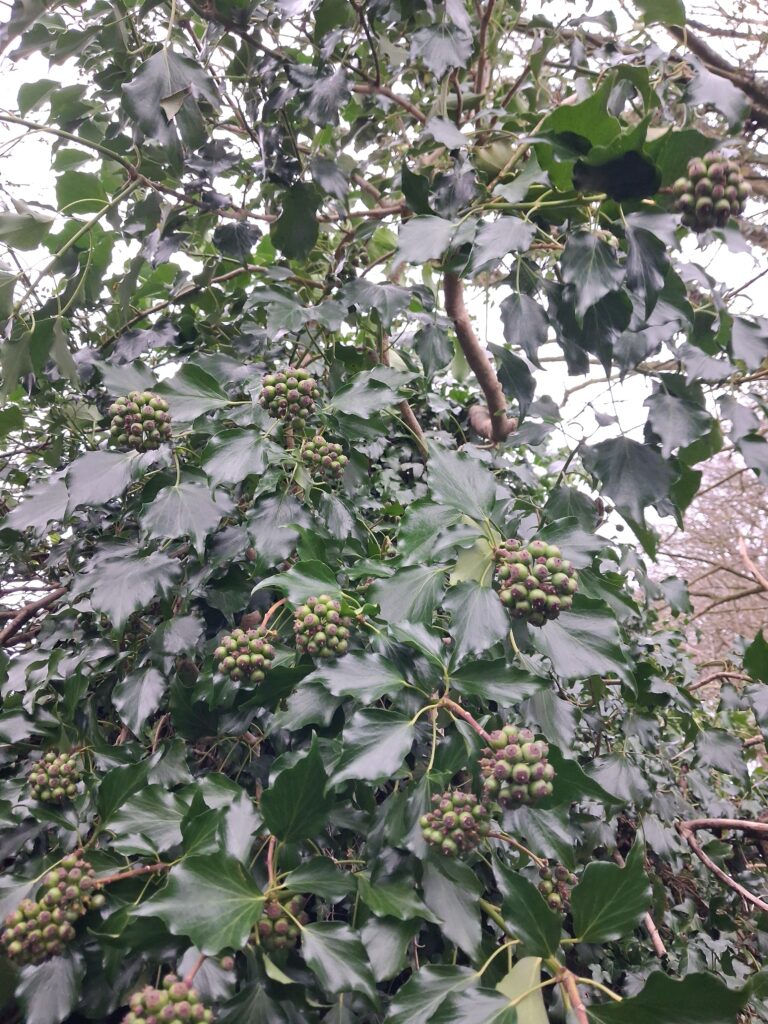
(Molly Ashton)
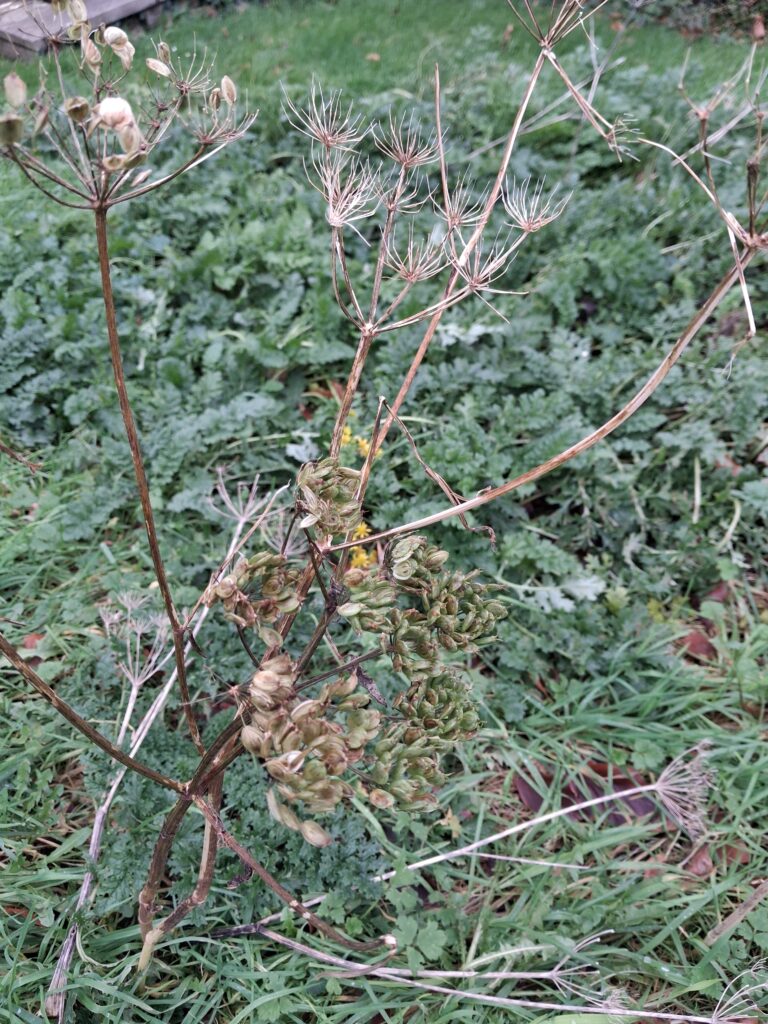
(Molly Ashton)
Feed the Birds- More Please!
Winter feeding can be a lifeline when natural food is hard to find. Birds burn extra energy staying warm, especially during cold snaps.
What to put out:
- Seed mixes (sunflower hearts are a favourite)
- Peanuts (only in mesh feeders)
- Fat balls and suet blocks
- Fruit such as apples for thrushes
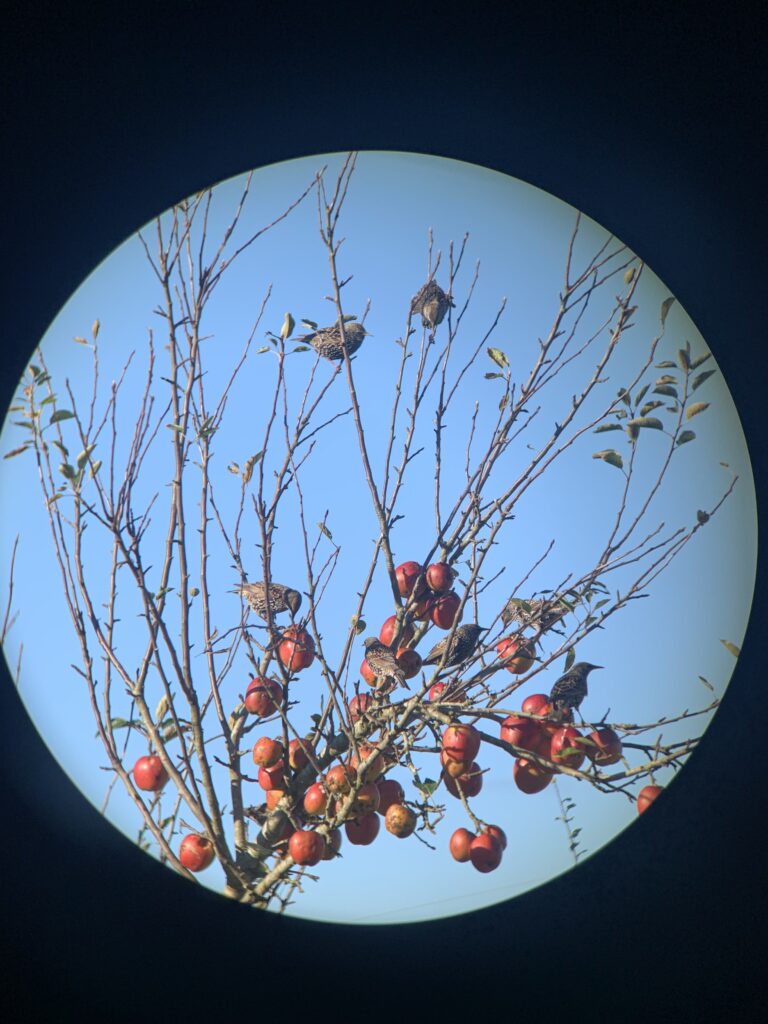
How to make your own fat balls:
They don’t have to expensive or fancy, the birds won’t mind!
- Melt plain suet or lard gently (do not overheat)
- Mix in bird seed, oats and a handful of dried fruit
- Spoon into moulds or yoghurt pots and add string if hanging
- Allow to cool and harden before placing outside
Avoid using nets if possible, or remove them before putting fat balls out to prevent birds getting tangled.
Don’t Forget Fresh Water
Water is just as important as food in winter. Birds and mammals need it for drinking and bathing, and frozen ponds can quickly become inaccessible.
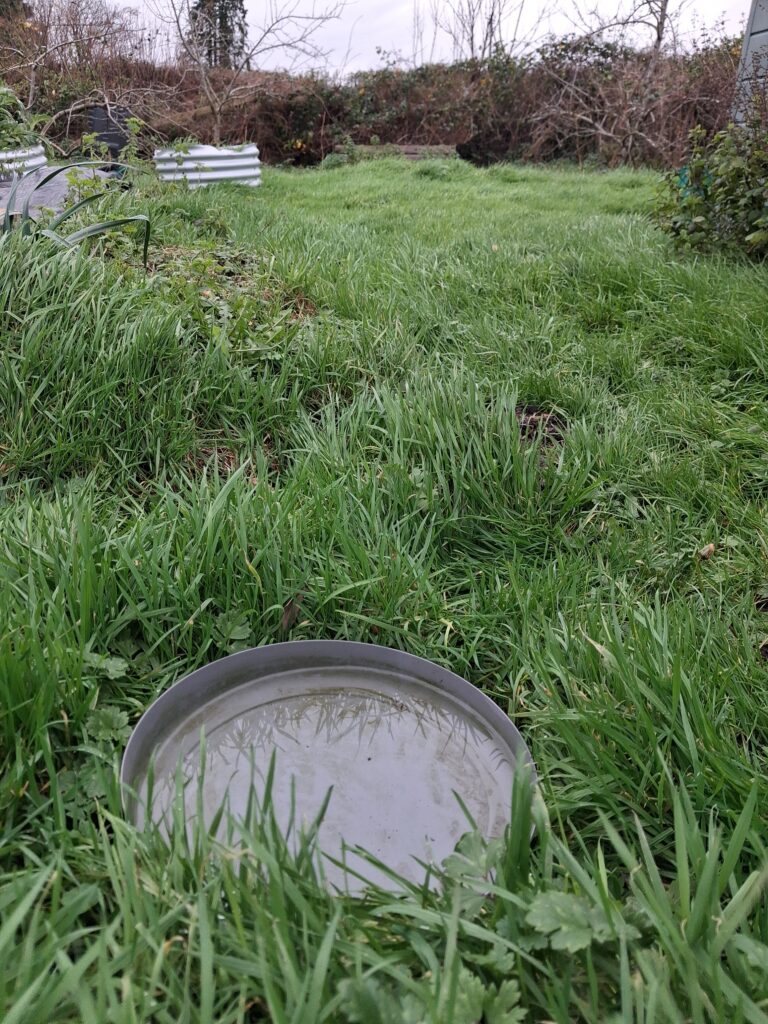
How to help:
- Put out a shallow dish of water
- Check daily and break ice gently if frozen
- Place a stone or stick in the dish so insects can climb out
Never add salt or antifreeze as it can harm wildlife.
Create Warm Winter Shelter
Many animals spend winter hidden away, conserving energy until spring. Your garden can offer safe places to rest and hibernate.
Ideas for shelter:
- Leave gaps under fences for hedgehogs to move freely
- Add a hedgehog house or build one from logs
- Put up bird boxes facing away from strong winds
Small choices add up. Avoiding chemicals, planting native shrubs and leaving natural materials in place all help create a healthier ecosystem.
By offering food, water and shelter, your garden becomes more than just a winter landscape, it becomes a sanctuary. These simple actions help wildlife survive the toughest months and ensure your garden is full of life again when spring arrives.
Molly Ashton (Community Assistant, South Wales)