
Autumn Birding Adventures Across East Yorkshire
Autumn is one of those magical birding seasons when anything could turn up. Migrants drifted in on the wind, wildfowl gathered on wetlands, and coastal headlands buzz with anticipation. Over our autumn tours based around Cave Castle Hotel, we explored a brilliant mix of reserves, coastlines and estuaries, racking up an impressive species lists and plenty of memorable wildlife moments.
Here’s a flyby through some of the standout places and birds from those trips.
North Cave Wetlands
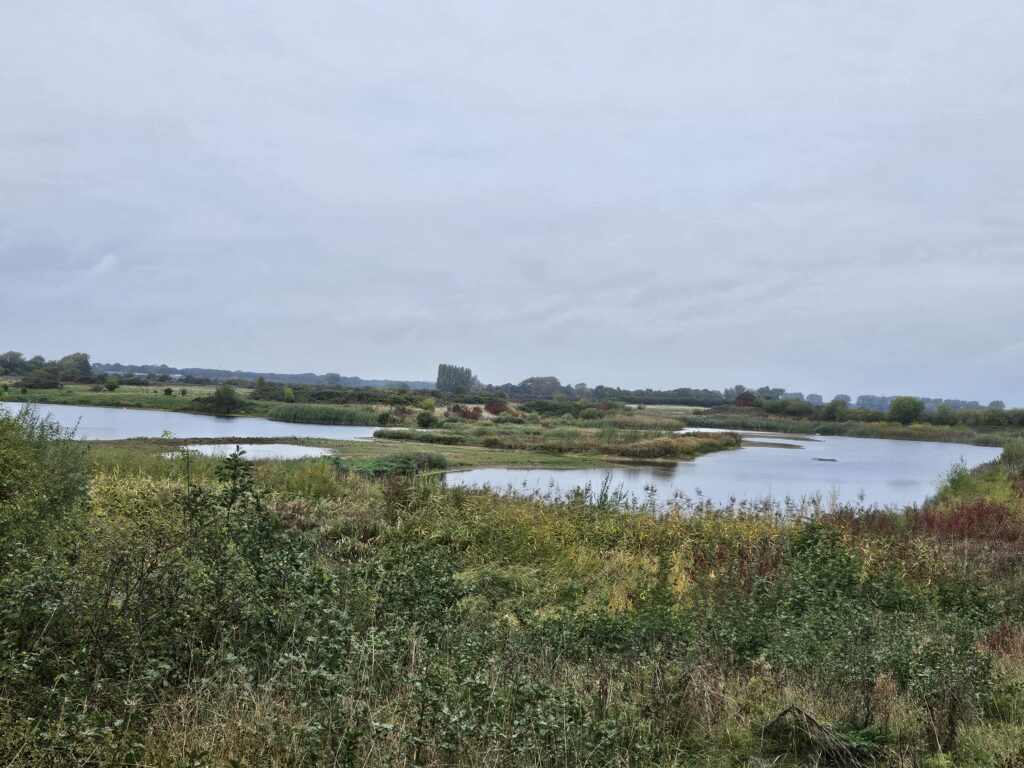
This relatively new reserve, restored to a thriving wetland after quarrying in the 1990s, proved a great introduction for our groups’ first field meeting. Wildfowl such as Teal, Shoveler and Gadwall were found on the open water, while marginal habitats produced waders such as Green Sandpiper and Snipe. The reedbeds gave us sightings of the more elusive Bittern and Water Rail. Flocks of Pink-footed Geese passing overhead became a recurring autumn soundtrack, especially in the early mornings.
Spurn Peninsula
Few places feel as full of possibility in autumn as Spurn. Hedgerows hosted an exciting range of passerines, wetlands held interesting waders and wildfowl, and a classic seawatch provided some memorable finds.
Sammy’s point was a good place to start where we caught a brief glimpse of a Barred Warbler. Around the Kilnsea area it is always worth scanning the hedgerows, and we were rewarded with a stunning male Common Redstart and a female Pied Flycatcher, along with the usual but never-to-be-overlooked Yellowhammer, Chiffchaff and Goldcrest.
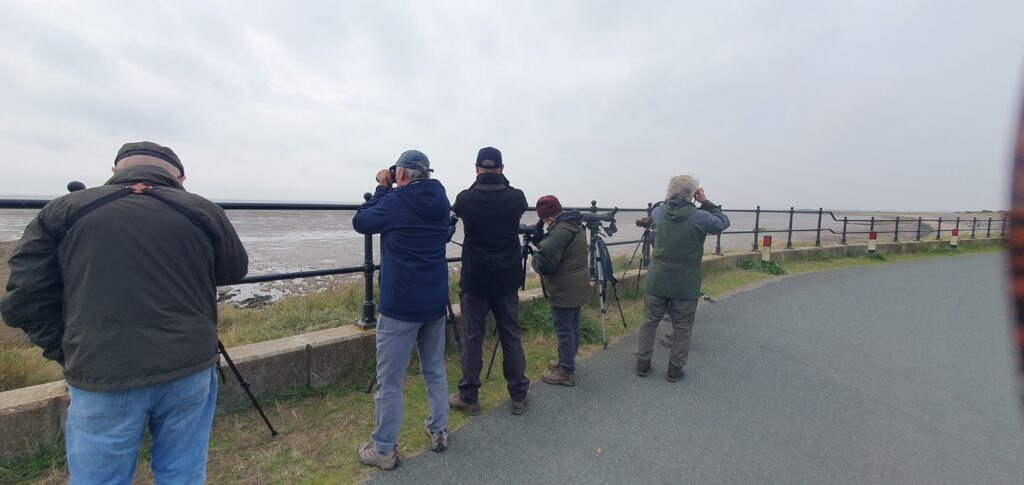
Kilnsea Wetlands and Beacon Ponds were also worth a visit, with Garganey being the standout waterfowl. Waders didn’t disappoint either, with Little Stint, Curlew Sandpiper and Jack Snipe headlining alongside Dunlin, Knot and Ringed Plover. Caspian Gull and Little Gull were also spotted within the gull flock. Following the seawall between sites, the group was treated to a smart Black Redstart. It’s always worth a moment to stop and observe these lovely birds as they flit about, flashing their characteristic red tail.
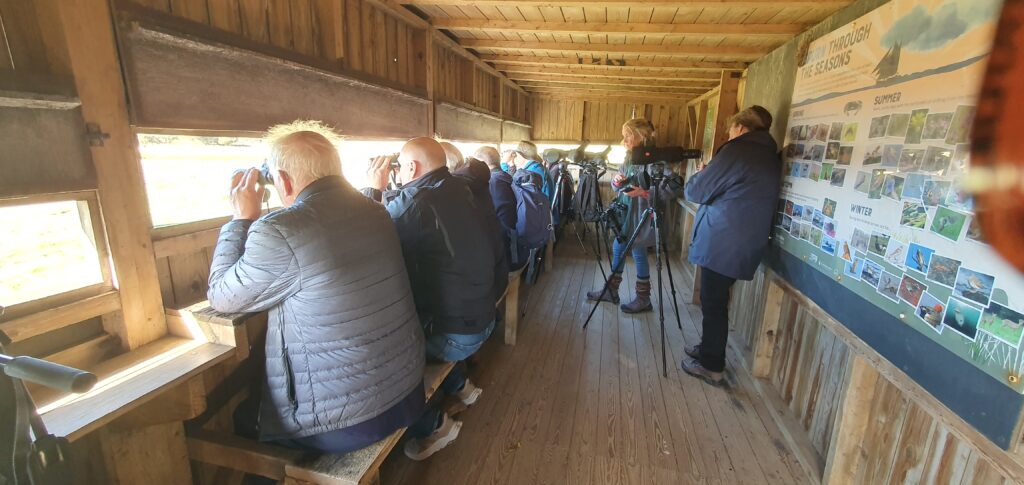
Looking out over the Humber Estuary and open sea, we scanned at various points, finding rafts of Common Scoter battling the waves. A range of seabirds followed the winds, including Red-throated Diver, Gannets, Shags and Sandwich Terns. After a short while a larger bird glided above the surf. An Arctic Skua! which came close to shore and gave fantastic views for all.
Eyes and ears should always be fixed to the skies at this time of year, as anything could arrive. The unmistakable “chup-chup” of a Common Crossbill was picked up fresh in off the sea, and then a shout from another birder alerted us to an incredible White-tailed Eagle being mobbed by ten Buzzards!
Flamborough Head
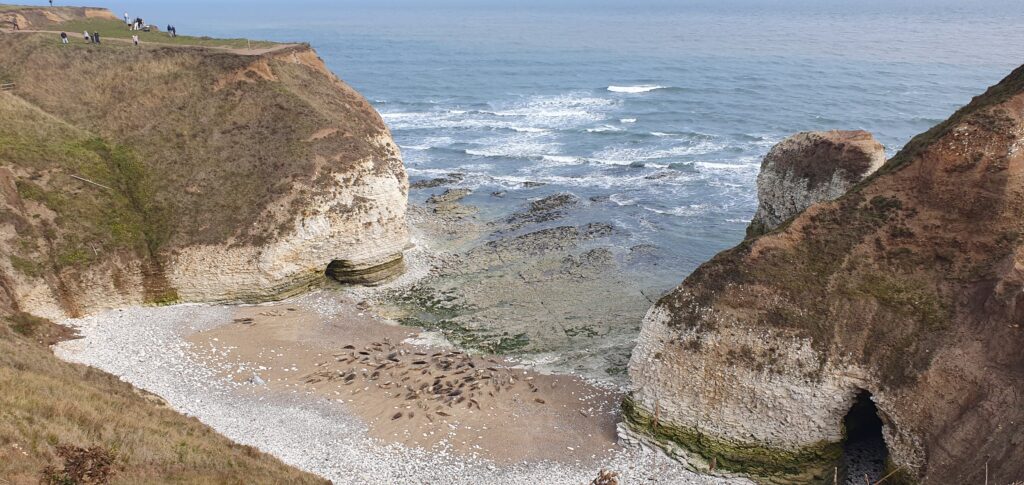
Another premier birding spot on the east coast is Flamborough Head. These iconic chalk cliffs delivered classic coastal birding. Late-season seabirds lingered offshore: Fulmars, Guillemots, Razorbills and Gannets while Peregrines occasionally stirred up flocks below the cliffs. A group of 33 Red-throated Divers proved a notable highlight from the clifftop seawatching hide. Further along the coastline we picked up a Grey Phalarope doing its best to hide among the choppy waves.
Movements in nearby hedgerows added smaller species to the list. We headed to “Motorway Hedge”, a known rarity hotspot. Responding to the latest bird news, we all enjoyed excellent views of a beautiful Red-breasted Flycatcher. Living up to its name, the group watched it for nearly an hour catching flies in the autumn sun. Yellow-browed Warbler and Siberian Stonechat were also found in similar habitat.
It is always worth paying attention to hedgerows, scrub and small stands of trees in this area, you never know what might be resting there after being swept off course during migration.
RSPB Blacktoft Sands & Far Ings Nature reserve
These estuarine reserves brought classic autumn spectacle. Vast skeins of Pink-footed Geese filled the sky, with thousands heading towards the estuary to roost. Waders such as Ruff, Redshank, Dunlin and Bar-tailed Godwit fed on the calorie-rich mud. Bearded Tits in the reedbeds and occasional Water Rails rewarded the group’s patient birders, while Marsh Harriers hunting low over the reeds became a familiar and always welcome sight.

Tophill Low Nature Reserve
For respite from the windy coastline of East Yorkshire, it is worth turning attention inland to Tophill Low Nature Reserve. This active water treatment site, combined with an adjoining reserve, proved ideal for wintering wildfowl. A female Greater Scaup joined the Tufted Ducks, allowing useful comparison of identification features. A Black-necked Grebe also made the visit particularly worthwhile.

Migration Surprises & Memorable Birds
Here are the rarity highlights seen across all our East Yorkshire in Autumn tours:
- Red-breasted Flycatcher, Barred Warbler, Siberian Stonechat, Common and Black Redstart, Yellow-browed Warbler, Pied Flycatcher and Common Crossbill stood out among the passerines.
- Curlew Sandpiper, Little Stint, Jack Snipe, Garganey, Greater Scaup, Black-necked Grebe, and Caspian and Little Gull were wetland highlights.
- Arctic Skua, Red-throated Diver and Grey Phalarope crowned the seawatching.
- A dramatic fly-past by White-tailed Eagle topped off a fantastic autumn trip.
Continuous movements of geese, ducks and passerines provided a perfect illustration of autumn migration at its peak.
Check out more of our upcoming Wild Experiences here.