

North Wales Wild Experiences May 2026
Our Wild Experiences Lead, Arron Roberts concluded a wonderful wildlife tour to North Wales in May 2026. Combining a comfortable stay, incredible views and wildlife rarities, total bird species rounded up to 111! Hear how they got on below;
What did we see in North Wales in May?
North Wales is a fantastic area to explore with many different habitats on offer. From the ancient wooded valleys to the windswept headlands, there are a range of specialty species to look out for.
Over the week many of the target birds were seen, with highlights including Pied Flycatcher busy feeding young in the ancient Oaks, Puffin and Black Guillimot amongst the thousands of other seabirds, Chough feeding along the headlands and finishing with Ring Ouzel and Whinchat in the wild uplands. Each day was filled with new birds as we explored many great nature reserves in the area.
Day 1 in North Wales – Local riverside walk
Meeting at the Royal Oak hotel in Betws y Coed, the tour began with a brief introduction and our first walk from the hotel, following the river Llugwy in Gwrdyr forest park. With the sun shining, a family of Grey Wagtail were in their element with the abundance of flies and emerging invertebrates hatching from the pristine river. So too was the Dipper, zipping up and down over the boulders. A bird that was on the list for many of the group.
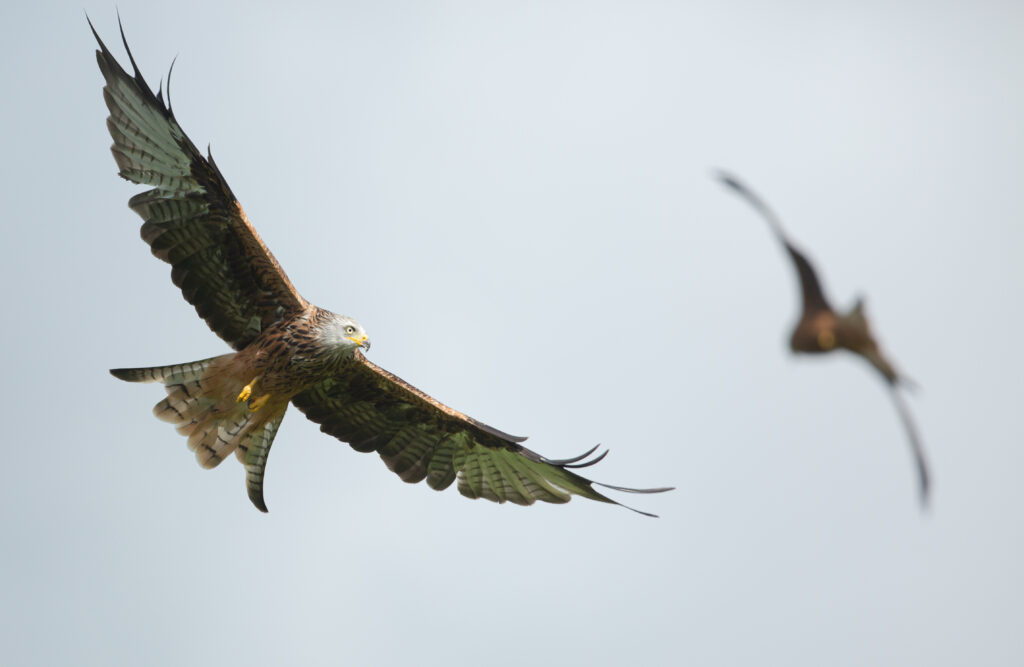
Continuing away from the river, we heard the unmistakable song of the Wood Warbler. A bit tricky to see but it was lovely to hear the beautiful song. The woodland was also home to a nesting Treecreeper as we watched them going back and forth with food, disappearing behind some flaking bark on a tree. Goldcrest, Siskin and Nuthatch were also notable birds here. Back at the hotel we watched many swifts screaming overhead with Buzzard and Red kite high up in the thermals. A great introduction to North Wales.
We settled into our rooms this afternoon, ending the day with a delicious three course meal, preparing us for the fun week ahead.
Day 2 – RSPB Burton Mere and Gronant Sands
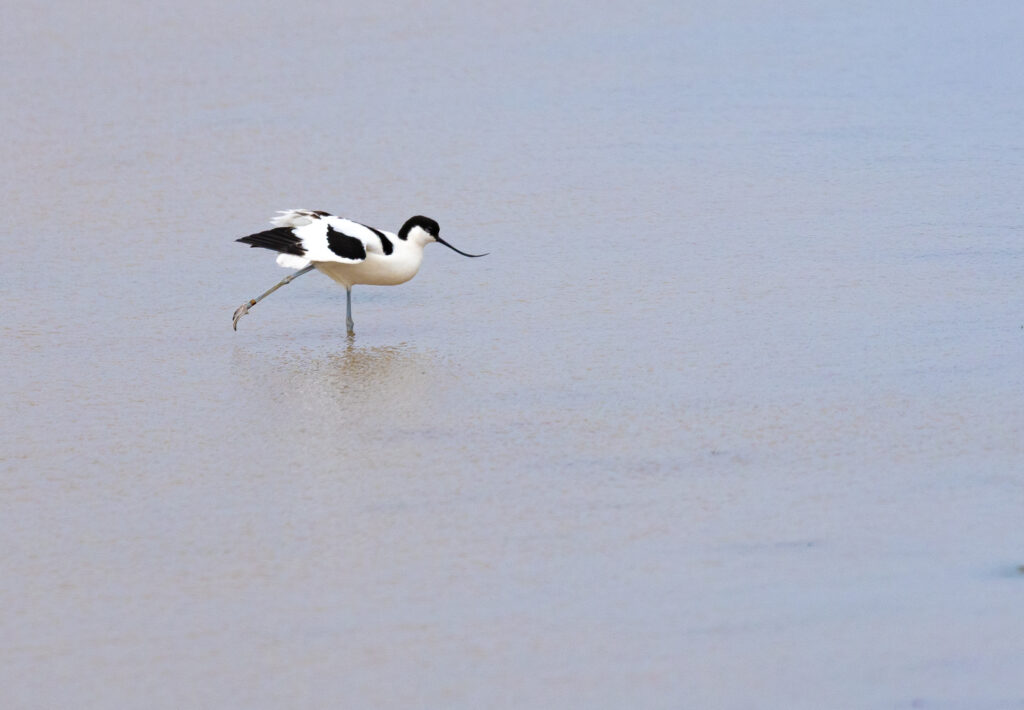
After a hearty breakfast, we left North Wales for RSPB Burton Mere. The visitor centre overlooks a shallow lagoon full of birds. Avocet, Lapwing and Black-headed Gull all had chicks running around. A smart adult Mediterranean Gull stood proudly on an island and a pair of Marsh Harrier put on a show, hunting over the reedbeds.
We set out to the first viewing platform where we had a vibrant Yellow Wagtail on the wires. Nearby a puffed up Raven was cronking from the top of a farm building.
Continuing around to the far hides we passed through reedbeds and willow thickets which proved productive for warblers. Sedge, Reed and Cetti’s Warbler, Common Whitethroat, Blackcap and Chiffchaff were all seen. At the first hide there was a single Little Ringed Plover feeding on the scrape and a Great White Egret in breeding plumage hiding in a secluded water channel.
Finally at the Border hide we had close views of a resting flock of Black-tailed Godwit, with a handful of Knot mixed in. Another bird to note was the Redshank, feeding close to the hide, this male looked splendid in its finely detailed breeding plumage.
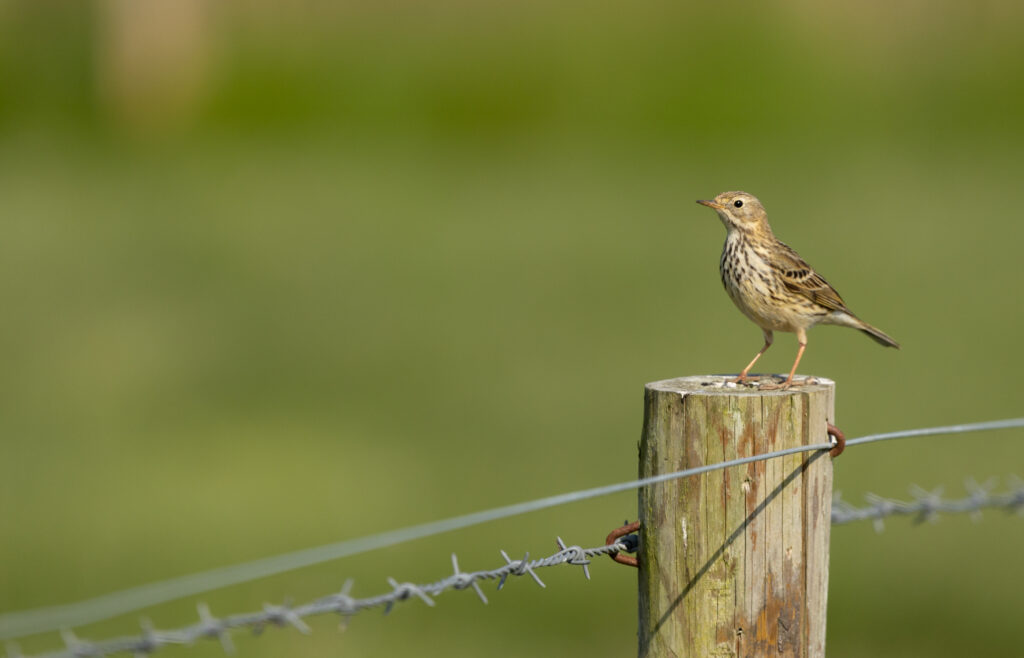
After Lunch in the cafe we travelled back into Wales to the North Coast. Here at Gronant sands we strolled through the sand dunes to view the Little Tern colony, the only established colony in Wales. The dunes held the usual species such as Stonechat, Linnet, Skylark and Meadow Pipit. It was also nice to watch the hirundines as they were passing through the reedbed taking insects on the wing.
At the viewing platform we scanned the water and found a single Common Scoter along with Gannets, Razorbills and Little Terns who were battling the headwinds. A Sandwich Tern landed amongst them giving us the opportunity to compare the differences between them. Other waders included Ringed Plover, Oystercatchers and a single Curlew.
Day 3 – Ynys Hir and Dyfi Osprey centre
Today we headed south to the Dyfi estuary to a beautiful woodland nature reserve of RSPB Ynys Hir. We chose the woodland trail in search of Pied and Spotted Flycatcher, Redstart and Wood Warbler. Unfortunately the weather was against us with fairly strong westerly winds coming in off the estuary.
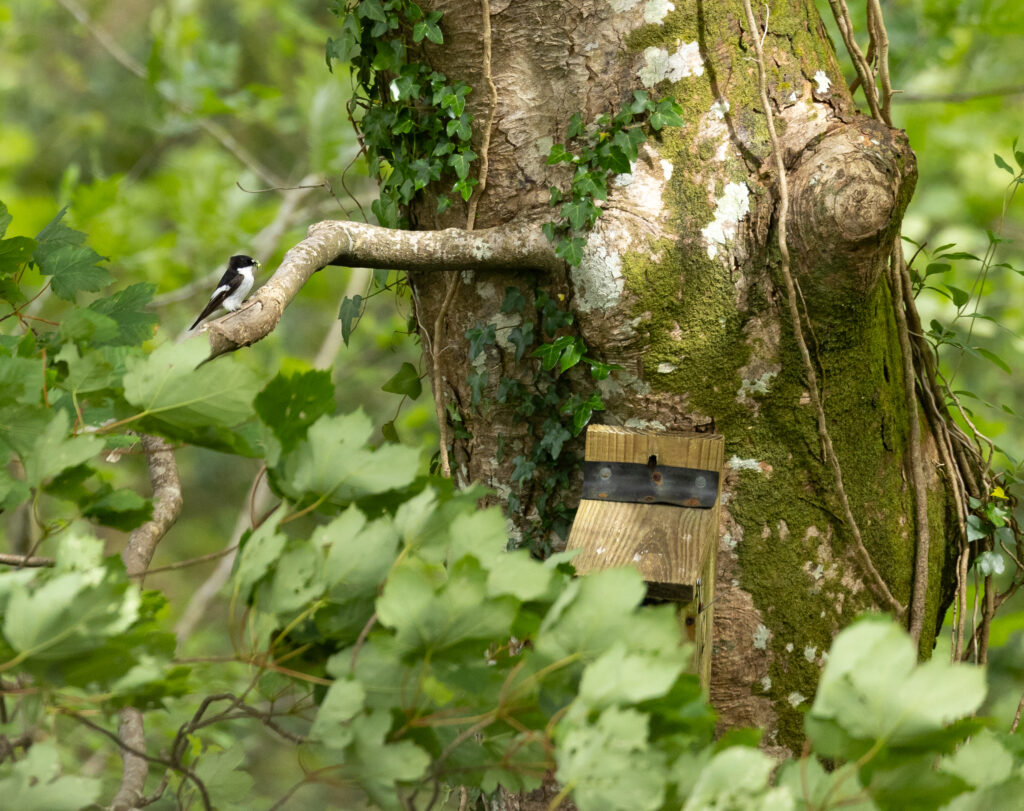
We did however manage to have good views of a few pairs of Pied Flycatcher as they went back and forth into their nest boxes with a beak full of caterpillars to feed their young. Some of the group did catch a glimpse of a Spotted Flycatcher as it moved through the canopy of the oak trees.
We have several tours like this available on Wild Experiences. These are perfect for those who want expert-led, immersive experiences and for those who want to delve deeper into nature. We have a range of fantastic tours available on our website.
Moving on to the Dyfi Osprey centre, we had lunch in the cafe before heading out to the observation tower. Along the boardwalk we heard a Garden Warbler and Common Whitethroat then a couple of Willow Warblers with one singing close to the path for everyone to see. The Osprey were still incubating eggs with both adults taking it in turns to sit on the nest. Speaking to the onsite rangers we learnt about the individuals and the success of the Osprey project.
Day 4 – Great Orme and RSPB Conwy
The first destination was Great Orme Head. We opted for the east side of the peninsula to start to seek shelter from the cold winds coming across the headland. This turned out to be the right decision as we had our first Chough feeding on the grazed pasture. Out of the winds there were many displaying Meadow Pipit, Linnet, and a pair of Stonechat flitting around the gorse bushes.
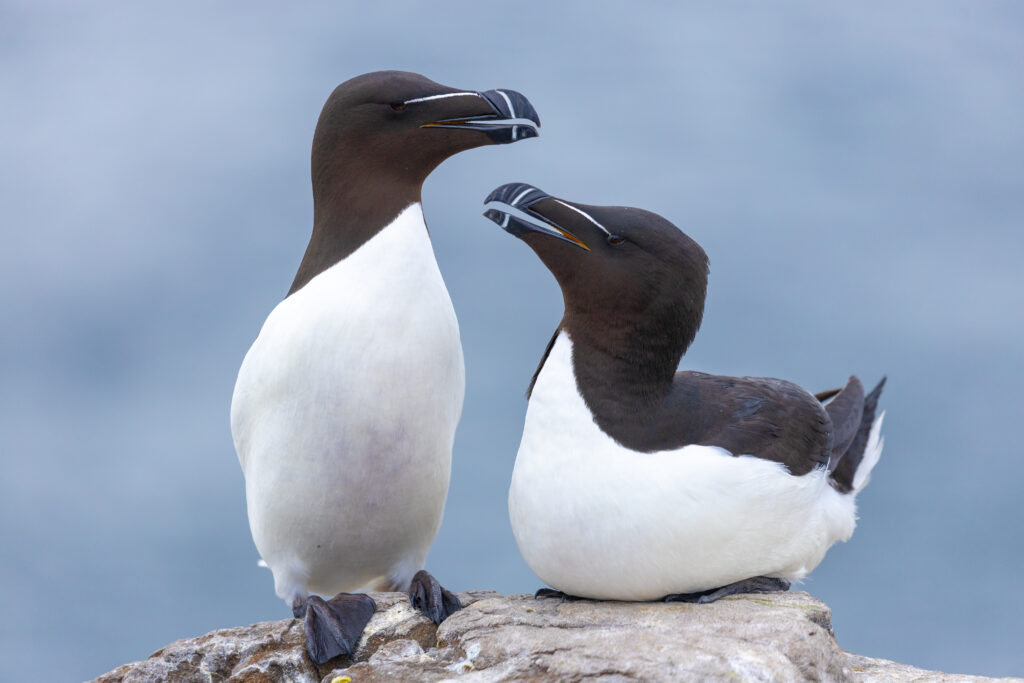
Checking the stone boxes covering the limestone mining ventilation shafts we saw a female Wheatear. She continued to fly in and out of the shaft, possibly entering a nesting site. After a coffee stop we set off around the mariners drive which followed the cliff edge of the peninsula. Here we stopped to watch the many seabirds, picking up Razorbill, Common Guillimot, Black-legged Kittiwake, Fulmar, Gannet and the star; Black Guillimot. A Rock Pipit was also along the cliff edge.
We had lunch at RSPB Conwy before our afternoon walk. The tide approached fast, swallowing up the exposed mud, leaving the river quiet for birds. On the reserve itself the highlights were Lapwing with chicks and nesting Great Crested Grebes on the scrapes.
At Wild Experiences, we offer great tours for multiple people and our newest addition, Tours for Two. Fully customisable, intimate and unforgettable. Check out Tours for Two here.
Day 5 – Anglesey RSPB Southstack and RSPB Cors Ddeyga
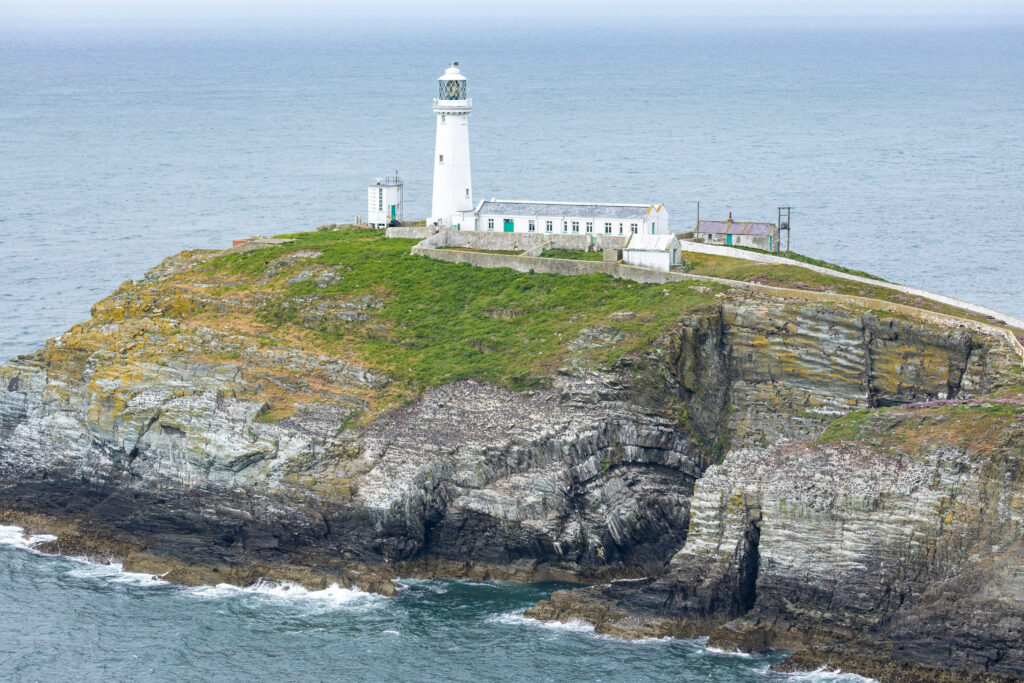
Today was overcast with a moderate coastal breeze, nothing that the four thousand breeding seabirds couldn’t handle. The cliffs at RSPB Southstack were filled with Guillimot, Razorbills, groups of Black-legged Kittiwake and a few nesting Fulmar. With only up to ten breeding pairs of Puffin we were pleased to spot two bobbing around on the sea amongst the hundreds of other Auks.
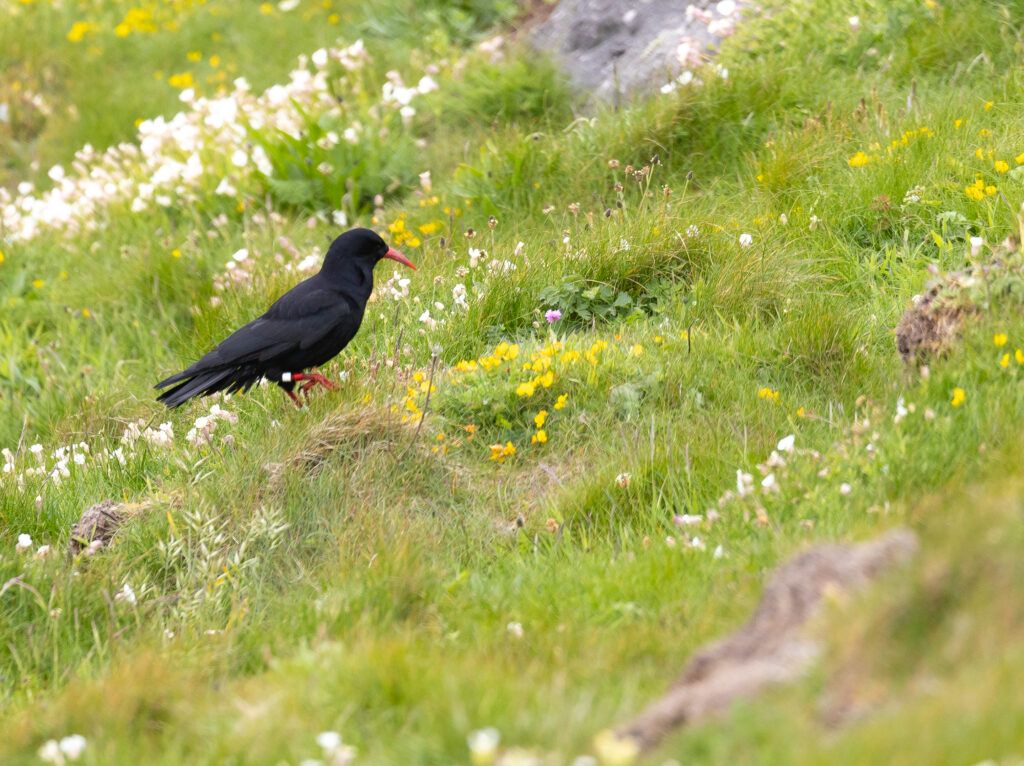
A walk around the headland produced further Stonechat and several pairs of Red-billed Chough which were quite obliging. These charming birds allowed us to watch them scouring the short grass for insects. Meanwhile, a steady passage of Manx Shearwater passed north, although distant as the seas were fairly calm.
We had our picnic lunch at RSPB Cors Deyga. This reserve consists of wet meadow, ditches, reedbeds which were filled with Lapwings with chicks. The main attraction was the Spoonbill. We all had great views of this unique bird as it sifted its way through the shallow scrapes. A male Marsh Harrier put on a good display scanning the meadows and bold Sedge Warbler was happy to sing out in the open from atop the hedgerow. A single Great White Egret tried to remain hidden and it was surprising how a large white bird can easily disappear amongst the rushes. Our afternoon was topped off with a flyby Hobby as it darted over the reedbeds.

Day 6 in North Wales – Local woodland walk and wild uplands
The final day was spent locally targeting woodland species and for those who were up for it, an upland hike. The first woodland walk produced some of the target species that had been missed during the week. We had better views of a Wood Warbler, then finally Redstart and Spotted Flycatcher were added to the list. Continuing on to the uplands, for those who chose to, had great views of Ring Ouzel and Whinchat. Two great birds to round off a fantastic time in North Wales.
Rounding up our North Wales trip in May, our total bird count to 111 species seen and heard.
Head to our Wild Experiences to hear more about our upcoming trips.