
Nest boxes – how you can help your garden birds!
How to help your birds in National Nest box Week
We’re so familiar with our garden birds and I’m sure they’re familiar with us too. They might be really happy to see you when you put out your birdseed and immediately flock to the feeder. Your Robin might be a close companion by your side when you’re digging around in your vegetable patch.
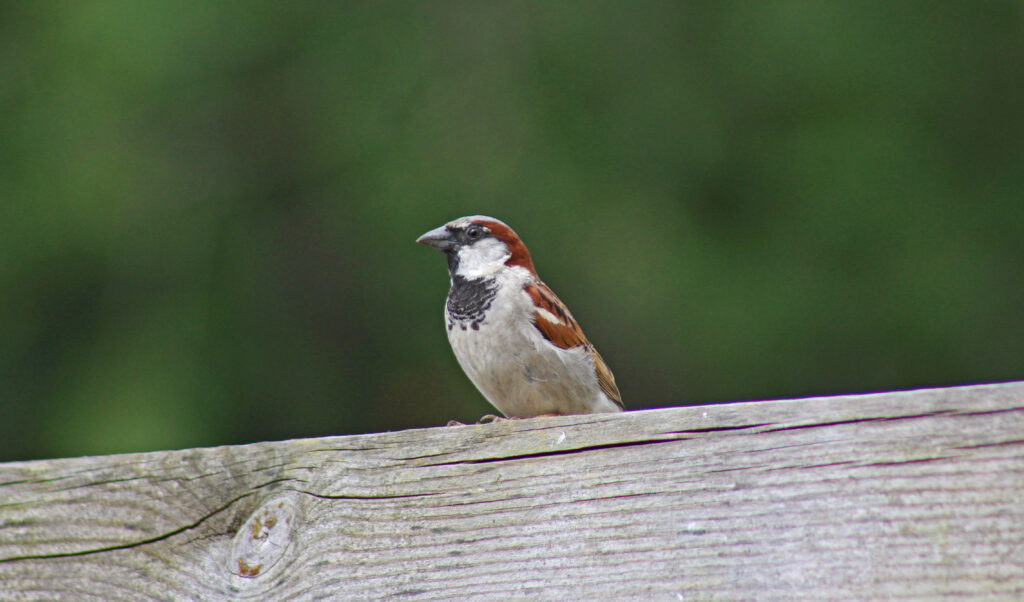
You might have a name for your garden’s robin, or a pair of house sparrows (this author’s Sparrows are called Jack Sparrow and Jackie Sparrow). We struggle to imagine heading into our wild spaces without hearing or seeing a bird.
At this time of year, many of our birds are getting ready for spring. Perhaps you’ve seen Snowdrops and maybe you’ve seen Daffodils starting to sprout up! Spring is certainly on the way, and the birds know it too. They’ll soon start collecting nesting material, like bits of twig, hair, moss and fur to line their nests. But where do birds nest?
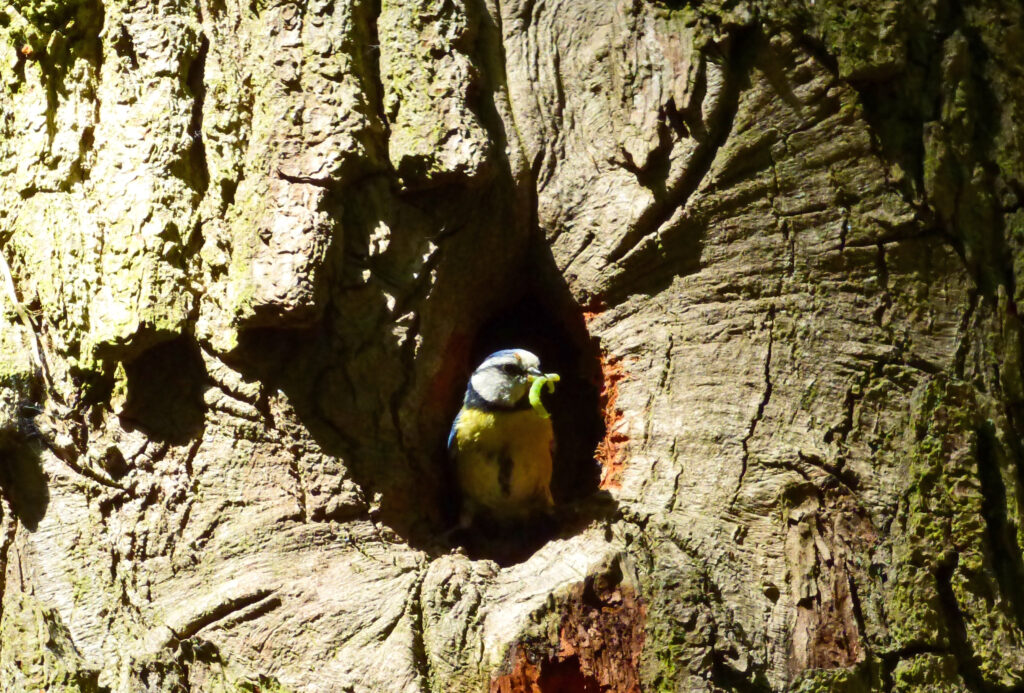
Many of our garden birds nest in small holes or cavities in trees and hedges so small secluded areas. Cavities in trees and dense bushes might be hard to come by so we can give our birds a helping hand and offer nest boxes. How can you help them and what do you need to know before you put up a nest box?
There’s a few things you’ll need to consider when putting up a nest box. What birds you want to provide for, where to put your box and the type of nest box you’ll need;
Is the area you’re placing your nest box suitable?
The best place to put your box is relatively shady that gets some sun but not all the time so North-East facing is perfect. You don’t want to put the nest box in full sun as this is too hot for the chicks and the adults, and you don’t want somewhere that’s too cold either.
You’ll want somewhere that’s easy for the adults to get in and out of the box without putting themselves in danger. Putting the nest box near a hedge or a bush is best. When the chicks fledge, they’ll head straight into the undergrowth of a bush and stay safe in their first few hours outside the nest, a time when they’re at their most vulnerable.

How high up should your box be?
How high your putting your nest box depends on what species you want to attract. Something 2m off the ground is about ideal. Any lower than this risks ground predators getting access to the box, things like cats and foxes.
What birds do you have in your garden?
If your garden has lots of house sparrows, it might be worth considering a house sparrow terrace. This is multiple boxes within one unit. As sparrows like to nest in small colonies, you can put this near the eaves of your house or the same level as your top windows. This is a great alternative to keep them out of the eaves of your house and into a space that’s more natural for them.
If your space has lots of blue tits and great tits, you need to consider the size of the hole for your nest box. Different birds like different sized nesting holes so choose the right sized hole for the nest box. If you don’t have many birds in your green space yet, learn how to attract wildlife to your garden here.
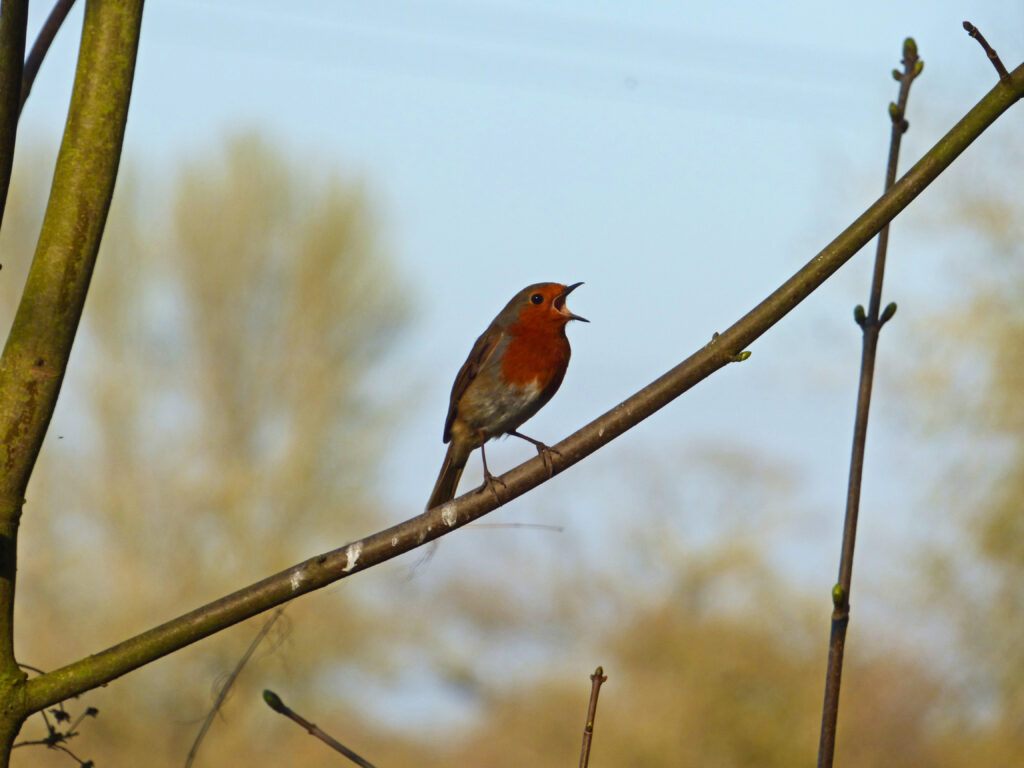
Do you have robins? These birds are a bit particular, they like a balcony! They prefer an open fronted nest box as robins tend to be quite nosy and like to see what’s going on outside. This is a nest box that could be well situated in a shady place with lots of bushes and greenery around to keep the robins safe. Try and place this in an evergreen.
Swifts are an excellent bird to offer a nest box to. If you have a flat or apartment with a long drop down, this is perfect for swifts. They need a large drop as they spend most of their lives on the wing. A long drop helps them get airborne.
More additions to consider
Consider a metal ring around the hole of the box (nest hole guard). If your garden is visited by woodpeckers or squirrels, it may be an idea to protect this box. Woodpeckers, surprisingly, are omnivorous and often eat eggs and chicks!
To look further into the lives of your garden birds, invest in a nest box camera. It keeps you endlessly entertained with the comings and goings of your birds and you’ll be able to see them grow from small eggs to fully fledged chicks within about 2-3 weeks. Check out our favourite nest box camera at Birdfy.
The first few weeks of a young bird’s life needs lots of caterpillars and high protein food to help the bird grow. This is in the form of insects. Birds often choose nest boxes within easy distance of food, so somewhere with lots of vegetation. Easier access for food means less time searching for it. Learn more about plants that help caterpillars.
If you want to learn more about birds and the secret lives they lead, come on one of our walks or wild experiences and learn from our walk leaders. Find out more here.